ADALI-AYTEMUR: NH 104
BAGBASIOGLU-GOKTUNA: NH 105
GULA-OTER: NH 301
OZBAS-YUKSEL: NH 305
Thursday, June 3, 2010
Thursday, May 27, 2010
The Russian Revolution
The revolution of 1905.
- Until1900s, Russia was successful in the international arena, against the Ottoman Empire.
- Both Russia and Britain had increased their influence in Persia and Afganistan.
- This expansion was not supported by military power.
- Russian expansion into China. Russo-japanese war. Japan won and moved into Korea.
- The unexpected defeat unleashed massive protests. A peaceful demonstration was masscred on the Tsar’s order, 100 victims, Bloodly Sunday. Russians lost their trust to the Tsar.
- He had to change course and open the duma (assembly), where representation was not equal though. A vote of an aristrocrat was equal with several votes of peasanst
-Actuallys, some reforms were introduced for them. Greater freedom from redemption payments. The intention was to introdude capitalist development in to agricultura production.
- Workers rights were not respected thoug and even the duma was gradually marginalised.
First World War
- Success depended on leaders’ ability to maintain social and political cooperation. Tsar Nikolas II’s authority had been shaky for many years, after the October revolution of 1905
- From the beginning of the war he insisted in personally commanding the troops.
- Although, Russian army was the largest in Europe, it was porly trained and equipped.
- By 1915, Russia produced enough food, clothing, amunition, but the tsarist governemnt tried to direct all provisioning itself. Demoralized, the peasants soldiers started to dessert an masse, returning to their farms to guard their families’ holdings.
- The first revolt started in Petrograd, (St Petersburg) on International woman’s day, February 23, people marched for food, fuel and political reform. Troops joined them.
- Nicoals abdicated the throne on March 2.
- After the collapse of the monarch two political centers emerged.
- a) the provisional government, by leaders in the Duma, constitutional rule, civic liberties.
- b) The soviets, local councils elected by workers and soldiers. The soviets forced for social reform, redistribution of lands, and a settlement with Germany and Austria.
- Bolsheviks, wing of the social democratic movement. They had little to do with the events of February 1917. They managed though to become powerful and overthrow the government.
- Marxism had been quite weak in late -19th c. Russia. In 1903, the leadership of Social Democrats split into Bolsheviks (the majority) favoring a centralized party of revolutionaries. The Mensheviks (minority) wanted to move towards socialism gradually. Since 80% was peasantry they thought proletarian revolution was premature.
- Bolsheviks were lead by Vladimir Ilych Ulyanov, Lenin, of middle class origin, believed that the development of russian capitaism made revolution possible.
- Bolsheviks combineed traditional revolutionary zeal with western marxism.
- Theie calls for ‘Peace, Land, and Bread now’ and ‘all powers to the soviets’ won support.
- They organised an attack, on October 24-25 1917. They took over the winter palace, the seat of the government. Bloodless and quick. Life went on as normal.
- They moved though against any political opposition an even dismisse the Assembly,
- In the countryside, the new regime build upn an ongoing uprising. The bolsheviks approved spontaneous redistribution of land without compensation, they nationalised banks.
- They pulled out of the war. Brest-Litovsk March 1918. They surrended many territories.
- Withdwaing from the war plunged the country to a vicious civil war.
Results
a)the Allies were affected since the Germans won the war at the Eastern front
b)the conservative governments were affected, worried about a wave of revolution
c)the expectations of many socialists were now fulfilled.
d)Russian revolution similar to French revolution.
- Until1900s, Russia was successful in the international arena, against the Ottoman Empire.
- Both Russia and Britain had increased their influence in Persia and Afganistan.
- This expansion was not supported by military power.
- Russian expansion into China. Russo-japanese war. Japan won and moved into Korea.
- The unexpected defeat unleashed massive protests. A peaceful demonstration was masscred on the Tsar’s order, 100 victims, Bloodly Sunday. Russians lost their trust to the Tsar.
- He had to change course and open the duma (assembly), where representation was not equal though. A vote of an aristrocrat was equal with several votes of peasanst
-Actuallys, some reforms were introduced for them. Greater freedom from redemption payments. The intention was to introdude capitalist development in to agricultura production.
- Workers rights were not respected thoug and even the duma was gradually marginalised.
First World War
- Success depended on leaders’ ability to maintain social and political cooperation. Tsar Nikolas II’s authority had been shaky for many years, after the October revolution of 1905
- From the beginning of the war he insisted in personally commanding the troops.
- Although, Russian army was the largest in Europe, it was porly trained and equipped.
- By 1915, Russia produced enough food, clothing, amunition, but the tsarist governemnt tried to direct all provisioning itself. Demoralized, the peasants soldiers started to dessert an masse, returning to their farms to guard their families’ holdings.
- The first revolt started in Petrograd, (St Petersburg) on International woman’s day, February 23, people marched for food, fuel and political reform. Troops joined them.
- Nicoals abdicated the throne on March 2.
- After the collapse of the monarch two political centers emerged.
- a) the provisional government, by leaders in the Duma, constitutional rule, civic liberties.
- b) The soviets, local councils elected by workers and soldiers. The soviets forced for social reform, redistribution of lands, and a settlement with Germany and Austria.
- Bolsheviks, wing of the social democratic movement. They had little to do with the events of February 1917. They managed though to become powerful and overthrow the government.
- Marxism had been quite weak in late -19th c. Russia. In 1903, the leadership of Social Democrats split into Bolsheviks (the majority) favoring a centralized party of revolutionaries. The Mensheviks (minority) wanted to move towards socialism gradually. Since 80% was peasantry they thought proletarian revolution was premature.
- Bolsheviks were lead by Vladimir Ilych Ulyanov, Lenin, of middle class origin, believed that the development of russian capitaism made revolution possible.
- Bolsheviks combineed traditional revolutionary zeal with western marxism.
- Theie calls for ‘Peace, Land, and Bread now’ and ‘all powers to the soviets’ won support.
- They organised an attack, on October 24-25 1917. They took over the winter palace, the seat of the government. Bloodless and quick. Life went on as normal.
- They moved though against any political opposition an even dismisse the Assembly,
- In the countryside, the new regime build upn an ongoing uprising. The bolsheviks approved spontaneous redistribution of land without compensation, they nationalised banks.
- They pulled out of the war. Brest-Litovsk March 1918. They surrended many territories.
- Withdwaing from the war plunged the country to a vicious civil war.
Results
a)the Allies were affected since the Germans won the war at the Eastern front
b)the conservative governments were affected, worried about a wave of revolution
c)the expectations of many socialists were now fulfilled.
d)Russian revolution similar to French revolution.

The Great war
Preparation for the war
- The fear of Germany. Triple Entente: France-Britain-Russia, Central Powers: Germany-Austria-Hungary.
- Rivalry and empire-building, possession of colonies.
- Costly armed race, navy building, preemptive strike became an option.
- Foreign policy was tied to domestic tensions.
- Business and the political elites sought successes in order to distress their subjects at home.
The outbreak of the war
- Balkans became the focus, Russia sought to back Serbia against Austro-Hungary.
- Gavrilo Princip assassinates Archduke Ferdinand in Sarajevo.
- Incapable diplomacy and a widespread sense of resignation to the eventual outbreak of war.
- Germans did not manage to overwhelm the French and the British and in Marne river the stage was set for three years of bloody stalemate. A whole generation was lost
- Machine guns, devastating artillery, barbed-wire barriers, poison gas favored the defense.
- The lack of strategic ingenuity among the commanders.
- Russian army was dominated by the dynasty and aristocracy, their weaknesses became apparent, which led to their defeat. Mutinies and peasant revolts.
- Italians entered the war in 1915 but were unsuccessful against A-H, collapsed in 1917.
The home fronts
- Soldiers at the fronts frustrated at political leaders but also the patriotic zeal of civilians.
- Parliamets were bypassed, especially in Germany. Censhorsip. Propaganda departments. The British and American public were bombarded with stories of German attrocities.
- The extent of the involvement of the civilian population and the power of the governments to mobilize men and women and control information made this the first total war.
- Impact of the war. The power of social organization increased, trade unions were broadly recognized as supporting mechanism of the civilian population.
- Apart from the Russian revolution, in Germany labor agitation led almost to revolution.
- Women’s participation in the labor force increased significantly and enhanced emancipation.
The war outside Europe
-The colonial powers mobilized their colonies. The war spread in the Middle East and Africa even up to China. In 1917, the US entered the war. Japan joined on the side of the Entente.
- British dominion troops were vital, non-European Muslim or Indian soldiers were deployed especially by the French as labor force as well.
- The Ottoman enters the war, failures in the Russian front, the Armenian massacres.
-The war made the US, that had built a pacific Empire a major global power.
- Fresh American troops jumped in and Germany agreed to an armistice in November 11, 1918. German public opinion was schcked as they were ill-informed about the war and considered the armistice a socialist and jewish betrayal
The resulf of the war
- 10 million deaths. Huge cost. Fertile lands destroyed. Dislocation of economies.
- The Entente leaders, especially George Clemanceau, whish to maximize their gains against Germany. Lloyd George tried to mediate fearing a revengeful Germany.
- The 14 points of Widrow Wilson, rights of self-determination yet the leaders dropped the demands of the colonized people. Actually British and Fremch expaned their Empires.
-The Peace of Paris became the dictated peace impose without negotiations to Germany.
- A series of new states were born, and the League of Nations to mediate among them.
- The fear of Germany. Triple Entente: France-Britain-Russia, Central Powers: Germany-Austria-Hungary.
- Rivalry and empire-building, possession of colonies.
- Costly armed race, navy building, preemptive strike became an option.
- Foreign policy was tied to domestic tensions.
- Business and the political elites sought successes in order to distress their subjects at home.
The outbreak of the war
- Balkans became the focus, Russia sought to back Serbia against Austro-Hungary.
- Gavrilo Princip assassinates Archduke Ferdinand in Sarajevo.
- Incapable diplomacy and a widespread sense of resignation to the eventual outbreak of war.
- Germans did not manage to overwhelm the French and the British and in Marne river the stage was set for three years of bloody stalemate. A whole generation was lost
- Machine guns, devastating artillery, barbed-wire barriers, poison gas favored the defense.
- The lack of strategic ingenuity among the commanders.
- Russian army was dominated by the dynasty and aristocracy, their weaknesses became apparent, which led to their defeat. Mutinies and peasant revolts.
- Italians entered the war in 1915 but were unsuccessful against A-H, collapsed in 1917.
The home fronts
- Soldiers at the fronts frustrated at political leaders but also the patriotic zeal of civilians.
- Parliamets were bypassed, especially in Germany. Censhorsip. Propaganda departments. The British and American public were bombarded with stories of German attrocities.
- The extent of the involvement of the civilian population and the power of the governments to mobilize men and women and control information made this the first total war.
- Impact of the war. The power of social organization increased, trade unions were broadly recognized as supporting mechanism of the civilian population.
- Apart from the Russian revolution, in Germany labor agitation led almost to revolution.
- Women’s participation in the labor force increased significantly and enhanced emancipation.
The war outside Europe
-The colonial powers mobilized their colonies. The war spread in the Middle East and Africa even up to China. In 1917, the US entered the war. Japan joined on the side of the Entente.
- British dominion troops were vital, non-European Muslim or Indian soldiers were deployed especially by the French as labor force as well.
- The Ottoman enters the war, failures in the Russian front, the Armenian massacres.
-The war made the US, that had built a pacific Empire a major global power.
- Fresh American troops jumped in and Germany agreed to an armistice in November 11, 1918. German public opinion was schcked as they were ill-informed about the war and considered the armistice a socialist and jewish betrayal
The resulf of the war
- 10 million deaths. Huge cost. Fertile lands destroyed. Dislocation of economies.
- The Entente leaders, especially George Clemanceau, whish to maximize their gains against Germany. Lloyd George tried to mediate fearing a revengeful Germany.
- The 14 points of Widrow Wilson, rights of self-determination yet the leaders dropped the demands of the colonized people. Actually British and Fremch expaned their Empires.
-The Peace of Paris became the dictated peace impose without negotiations to Germany.
- A series of new states were born, and the League of Nations to mediate among them.
19th century Russian transformations
- Two aspects of Russian policies: domestic reforms and territorial expansion.
- Starting with Catherine Great, to prevent the impact of the French Revolution.
- Conservative intellectuals supported isolation, serfdom protected the ignorant peasanst.t
- Alexander I, policy of liberalization, which collapsed with the Vienna Congress and the Holy Alliance. Russia was presented as the bastion of sanity in Europe.
- Rupture between those who were fascinated with western progress, political freedom, scientific advance, others turned towards to autochtonism and slavophilia
-1825 Decembrist uprising led to more suppression,
- Territorial expansion: In 1830-31, Russia suppresses a Polish uprising, 1829 Treaty of Adrianople, French and British fear for Russian expansion leads to the Crimean War 1853-56.
- In terms of technology and economy it lagged behind the West, even Prussia and Austria.
- Russian landlords took advantage of western markets for grain, by intensifying labor.
- Russia remained a profoundly agricultural society.
- It became clear that the Crimean war was lost due to industial backwardness,
- The new tsar Alexander II decided to proceed with reforms, abolition of serfdom.
- The purpose was not to imitate the west but to protect russian institutions, such as the landed aristocracy and peasant communities.
- In 1861, serfs received most of the land, nobility, however, remained dominant. The serfs obtained no political rights, they were tied to their villages until they could pay for the land
- Emancipation led to a larger urban labor force. It did not bring larger production, it led to peasant uprisings, substantial population growth.
- A series of laws cutting back traditional punishments, creating local political councils, which gave the middle-class some political experience, however, they had no impact on national policy, dominated by the tsar.
- Recruitment in the army included peasants and promotions was rationalized
- Literacy increased, a new market for popular readings,women’s conditions improved, some achieved higher education, family relations and morality became less strict.
- Industrialization through state support,
- Railroad network, transiberian railroad, end of the 1880s, expansion of metallurgy and coal sector. It also increased the export of grain to the west, more currency, active role in Asia.
- Modern factories appeared and an urban working class appeared.
- Count Sergei Witte minister of finance,in the 1890s, introduced high tarifs to protect industry, improved banking system and encouraged foreign investment.
- The power of Russia lay on its size, population, natural resourses.
- It remained peasant socity, where peasant-soldiers saw their officers as landlords. The absence of a large self-confident middle class.
- Nationalism: the reforms and mobility instigated minorities to make their own demands.
- Social protests were more frequent due to peasants redemption payments and taxes.
- Russian intellectuals opted for social reform while maintaining cultural particularity.
- Intellectuals claimed revolutionary changes. Narodnic, populist movement. Two attitudes. A more moderate and a more radical. Many turned anarchists. Bakunin.
- This triggered supression, censorship, and arrests. Alexander II was assassinated in 1881.
- His successors Alexander III, Nicolas II opposed further political reform.
- They also refused any rights to nationalities. Jews were persecuted and many migrated.
- In the 1890s radical ideologies gained new momentum. Marxism. Vladimir İlyich Ulyanov, Bolsheviks capitalised on the working-class unrest in the cities and peasant revolts.
- Starting with Catherine Great, to prevent the impact of the French Revolution.
- Conservative intellectuals supported isolation, serfdom protected the ignorant peasanst.t
- Alexander I, policy of liberalization, which collapsed with the Vienna Congress and the Holy Alliance. Russia was presented as the bastion of sanity in Europe.
- Rupture between those who were fascinated with western progress, political freedom, scientific advance, others turned towards to autochtonism and slavophilia
-1825 Decembrist uprising led to more suppression,
- Territorial expansion: In 1830-31, Russia suppresses a Polish uprising, 1829 Treaty of Adrianople, French and British fear for Russian expansion leads to the Crimean War 1853-56.
- In terms of technology and economy it lagged behind the West, even Prussia and Austria.
- Russian landlords took advantage of western markets for grain, by intensifying labor.
- Russia remained a profoundly agricultural society.
- It became clear that the Crimean war was lost due to industial backwardness,
- The new tsar Alexander II decided to proceed with reforms, abolition of serfdom.
- The purpose was not to imitate the west but to protect russian institutions, such as the landed aristocracy and peasant communities.
- In 1861, serfs received most of the land, nobility, however, remained dominant. The serfs obtained no political rights, they were tied to their villages until they could pay for the land
- Emancipation led to a larger urban labor force. It did not bring larger production, it led to peasant uprisings, substantial population growth.
- A series of laws cutting back traditional punishments, creating local political councils, which gave the middle-class some political experience, however, they had no impact on national policy, dominated by the tsar.
- Recruitment in the army included peasants and promotions was rationalized
- Literacy increased, a new market for popular readings,women’s conditions improved, some achieved higher education, family relations and morality became less strict.
- Industrialization through state support,
- Railroad network, transiberian railroad, end of the 1880s, expansion of metallurgy and coal sector. It also increased the export of grain to the west, more currency, active role in Asia.
- Modern factories appeared and an urban working class appeared.
- Count Sergei Witte minister of finance,in the 1890s, introduced high tarifs to protect industry, improved banking system and encouraged foreign investment.
- The power of Russia lay on its size, population, natural resourses.
- It remained peasant socity, where peasant-soldiers saw their officers as landlords. The absence of a large self-confident middle class.
- Nationalism: the reforms and mobility instigated minorities to make their own demands.
- Social protests were more frequent due to peasants redemption payments and taxes.
- Russian intellectuals opted for social reform while maintaining cultural particularity.
- Intellectuals claimed revolutionary changes. Narodnic, populist movement. Two attitudes. A more moderate and a more radical. Many turned anarchists. Bakunin.
- This triggered supression, censorship, and arrests. Alexander II was assassinated in 1881.
- His successors Alexander III, Nicolas II opposed further political reform.
- They also refused any rights to nationalities. Jews were persecuted and many migrated.
- In the 1890s radical ideologies gained new momentum. Marxism. Vladimir İlyich Ulyanov, Bolsheviks capitalised on the working-class unrest in the cities and peasant revolts.
Old Empires, the Struggle for Survival
- Empire: The rule or control, direct or indirect, political and economic, of one state or people over similar groups. This rule is associated with the concepts of peace, law and order.
- Obedience and taxes in return for security.
- Romanov, Habsburg, Ottoman Empires. Dynastic, classical,continental.
- Agrarian economies under autocratic rule. Army, bureaucracy, the royal court.
- Belated industrial development. State domination over nascent bourgeoisie
- Appropriation of western technology. Initiators of modernization.
- Legitimation: Imperial heritage, their territories were already under older imperial rule. (Holy Roman, Mongol, Byzantine Empire). Tracing their genealogies back to Rome.
- Universal monarchies, avoiding ethnic identification or single nationality.
- Continental location, less diverse in developement than colonial empires.
- Elements of conflict: Extensive ethnic intermixture in the imperial centers. Turbulent frontier, instability on their frontier pulled them into expansion. Defenders of Christianity/Islam. Not systematic conversion activity though. Frequent warfare among one another. Struggle against Western imperialism. Struggle against democracy & nationalism.
- ‘Prison-houses of nations’. Reforms, standardization, centralization.
- Collective sense of identity, integration. Loyalty to the dynasty, imperial ambitions.
- The double-headed eagle, East and West. Domestic imperial projects as a response to western imperialism.
- Cultural rights of ethnic communities. The idea of progress, development.
- Top-down innovations,through authority. Fast forward modernization.
- French revolution and Napoleonic invasions brought the reforms to a halt.
- Peter the Great (1682-1725), centralizing and westernizing attempts.
- Catherine II (the Great) (r. 1762-1796), economic and legal reforms.
- Maria Theresa (r. 1740-1780), centralized bureaucracy, secularized state.
- Joseph II (r. 1780-1790), further secularization of the state, German as official language.
- Napoleon’s defeat, return to conservatism. Response to revolutionary ideas.
- 1815 Congress of Vienna. The Austrian Klemens Wenzel von Metternich (1773 – 1859).
- Redrawing the continent's political map. Suppressing all nationality problems.
- 1848 uprisings. End of conservative stability in Europe. Social and political motivations. Newspapers, dissemination of ideas. Barricades, the bastions of resistance. Martyrs of nation and democracy. 3-color-flags (after French revolution).
- It resulted to domination of ethnic nationalism and intolerance between ethnic groups.
- Conservative-counter revolution prevailed. Constitutions remained.
- The Habsburg abolished serfdom, introduced new sort of neo-absolutism.
- The rulers opted for popular support. In 1867, the Ausgleich led to Austria-Hungary as a Dual Monarchy.
- Obedience and taxes in return for security.
- Romanov, Habsburg, Ottoman Empires. Dynastic, classical,continental.
- Agrarian economies under autocratic rule. Army, bureaucracy, the royal court.
- Belated industrial development. State domination over nascent bourgeoisie
- Appropriation of western technology. Initiators of modernization.
- Legitimation: Imperial heritage, their territories were already under older imperial rule. (Holy Roman, Mongol, Byzantine Empire). Tracing their genealogies back to Rome.
- Universal monarchies, avoiding ethnic identification or single nationality.
- Continental location, less diverse in developement than colonial empires.
- Elements of conflict: Extensive ethnic intermixture in the imperial centers. Turbulent frontier, instability on their frontier pulled them into expansion. Defenders of Christianity/Islam. Not systematic conversion activity though. Frequent warfare among one another. Struggle against Western imperialism. Struggle against democracy & nationalism.
- ‘Prison-houses of nations’. Reforms, standardization, centralization.
- Collective sense of identity, integration. Loyalty to the dynasty, imperial ambitions.
- The double-headed eagle, East and West. Domestic imperial projects as a response to western imperialism.
- Cultural rights of ethnic communities. The idea of progress, development.
- Top-down innovations,through authority. Fast forward modernization.
- French revolution and Napoleonic invasions brought the reforms to a halt.
- Peter the Great (1682-1725), centralizing and westernizing attempts.
- Catherine II (the Great) (r. 1762-1796), economic and legal reforms.
- Maria Theresa (r. 1740-1780), centralized bureaucracy, secularized state.
- Joseph II (r. 1780-1790), further secularization of the state, German as official language.
- Napoleon’s defeat, return to conservatism. Response to revolutionary ideas.
- 1815 Congress of Vienna. The Austrian Klemens Wenzel von Metternich (1773 – 1859).
- Redrawing the continent's political map. Suppressing all nationality problems.
- 1848 uprisings. End of conservative stability in Europe. Social and political motivations. Newspapers, dissemination of ideas. Barricades, the bastions of resistance. Martyrs of nation and democracy. 3-color-flags (after French revolution).
- It resulted to domination of ethnic nationalism and intolerance between ethnic groups.
- Conservative-counter revolution prevailed. Constitutions remained.
- The Habsburg abolished serfdom, introduced new sort of neo-absolutism.
- The rulers opted for popular support. In 1867, the Ausgleich led to Austria-Hungary as a Dual Monarchy.
Tuesday, May 25, 2010
Anti-colonialism and Nationalism in South Asia

1700s - East India Company, defeating French and Dutch in Bengal
1765 - control of Bengal, EIC becomes an Indian Lord, with an army and government
The British parliament gained the power to control Company policies 1773 and 1784
1857 Rebellion / MUTINY, sepoys of the Company army
1858 India becomes part of the British Commonwealth, viceroy is head of the Indian state
1885 resentment against British rule,
INDIAN NATIONAL CONGRESS: a platform for reform where all peoples of South Asia including the British are members
MOBILIZING SELF-GOVERNMENT
1906 All India Muslim League, joining forces with the National Congress
1909 reforms: Indian member in viceroy’s council & Indian provincial representatives
1915 WWI India also at war with Germany
GANDHI
•Swaraj : Complete freedom (1919)
•Satyagraha : Non-cooperation movement based on non-violence (ahimsa), 1920-22
•Civil Disobedience Movement Quit India Movement 1930
•Salt March & homespun cotton: economic self-sufficiency
•1931 Gandhi & British agreement
•1937 The India Act: a political compromise with institutions of self-government: a two chambered legislative body but cabinet under British control
THE MUSLIM LEAGUE
•Jinnah, a Congress leader
•1934 Jinnah leads the Muslim League, declaring that the Indian National Congress does not represent Muslims
•The idea of Pakistan : land of the pure in Urdu
WORLD WAR II
•India again at war against Germany, promised independence after the war
•1946 negotiations as Britain agrees to independence if Indians find a solution
•1947 partition of Pakistan and India
•1971 BANGLADESH
Reform as Resistance: Meiji Modernity and
Tokugawa Period (1602-1868)
Capital: Edo (Today’s Tokyo)
Shôgun - Supreme General
Tennô -Emperor
Daimyô -Feudal Lords
Sakoku (country in chain)
1844 – the Dutch (the only Western ally of the Japanese since the establishment of the Tokugawa Bakufu, as will be recalled) advised the Japanese that they should open up their markets in order not to face the terrible fate of the Chinese. They asked them to stop their isolationist policy – sakoku.
1853 – Arrival of Commodore Perry from the USA.
1857 – Commodore Perry is granted to have an audience with the Shogun.
1858- Treaty of Amity and Commerce (US and Japan)
-exchange of diplomatic agents
-Edo, Kobe, Nagasaki, Niigata and Yokohamas opening to foreign trade as ports
ability of United States citizens to live and trade in those ports
-a system of extraterritoriality that provided for the subjugation of foreign residents to the laws of their own consular courts instead of the Japanese law system
-fixed low import-export duties, subject to international control
Similar unequal treaties were signed with Britain, France, Russia and Holland
1868 – Meiji Restoration
End of the Tokugawa shogunate, restoration of the empire.
The era of Westernization and heavy industrialization.
1895 – Sino-Japanese war. A very humiliating defeat of China, and a major success for Japan. Treaty of Shimonoseki is signed in the end. The imdemnity paid by China to Japan was used as a subsidy for further Japanese industrialization.
1904-1905 – Russo-Japanese War. Japan defeated Russia and proved that it has become a world-power.
Capital: Edo (Today’s Tokyo)
Shôgun - Supreme General
Tennô -Emperor
Daimyô -Feudal Lords
Sakoku (country in chain)
1844 – the Dutch (the only Western ally of the Japanese since the establishment of the Tokugawa Bakufu, as will be recalled) advised the Japanese that they should open up their markets in order not to face the terrible fate of the Chinese. They asked them to stop their isolationist policy – sakoku.
1853 – Arrival of Commodore Perry from the USA.
1857 – Commodore Perry is granted to have an audience with the Shogun.
1858- Treaty of Amity and Commerce (US and Japan)
-exchange of diplomatic agents
-Edo, Kobe, Nagasaki, Niigata and Yokohamas opening to foreign trade as ports
ability of United States citizens to live and trade in those ports
-a system of extraterritoriality that provided for the subjugation of foreign residents to the laws of their own consular courts instead of the Japanese law system
-fixed low import-export duties, subject to international control
Similar unequal treaties were signed with Britain, France, Russia and Holland
1868 – Meiji Restoration
End of the Tokugawa shogunate, restoration of the empire.
The era of Westernization and heavy industrialization.
1895 – Sino-Japanese war. A very humiliating defeat of China, and a major success for Japan. Treaty of Shimonoseki is signed in the end. The imdemnity paid by China to Japan was used as a subsidy for further Japanese industrialization.
1904-1905 – Russo-Japanese War. Japan defeated Russia and proved that it has become a world-power.
Revolution and Nationalism in China
THE MING DYNASTY, 1368-1644
which represented the revival of Chinese civilization with a new idea of a classical civilization
with a very large population, vast resources, a most advanced technology and skilled engineers and great laborers as well as a very efficient bureaucracy and a well educated elite by the examination system.
THE QING (CHING) DYNASTY, 1644-1911
the last dynasty to be established in Chinese history
founded by non-Chinese emperors, north Asian steppe people from Manchuria
Manchus came over to rid Beijing in 1644 from a rebel to help the Ming and this they did after which they did not leave but declared their own mandate of heaven.
Though viewed as foreign by both the contemporary Mings and later western historical discourses, it was the Manchus that actually established the borders of China in its greatest territorial form (today these are the borders of China)
The growth of agriculture and continuous favorable balance of trade (export of luxury items in exchange for cash, gold and silver)
The Trading System: the Canton/Cohong system (only designated companies the cohongs, could trade with the Europeans, in only designated areas, the cantons.
BUT end of the 18th century brought population increase which meant that the peasant population began to go hungry and China began to experience rebellion which marked Chinese history form then on. These first were peasant rebellions against the landed aristocracy, of the size rarely seen in world history.
The peasant revolutions as of the 1770s and the encroachment of foreign commercial interest as of the 1820s turned this China of immense population into crisis. This is the age of free trade which meant colonization of Asia by the west. The British found something to sell – or rather smuggle to China, opium produced in India. The East India Company retains monopoly over opium trade with China. This sale results in a serious outflow of silver which increases the economic burden of the peasants. Therefore, Emperor Daoguang sends the imperial commissioner Lin Zexu to Canton to stop the opium trade.
Opium Wars (1842-Nanking Treaty and 1858) defeat of China and China opened up to western interests. Free trade instead of the canton/cohong system, much like the Anglo-Ottoman Treaty of 1838 (Baltalimanı).
Sino-Japanese War 1895, another major defeat: China no longer the most powerful state in East Asia. After 1895, Chinese intellectuals turn radical, questioning their imperial system. They urge the reform movements which led to the 1898 reforms – the 100 days reform movement until Empress Cixi consolidates power and ends the reforms. She doesn’t only end the reforms but also executes many of the intellectuals.
The remaining intellectuals take refuge in Japan: hence the influence of Japanese intellectuals
In 1912 a nationalist revolt overthrew the Manchu dynasty. Sun Yat Sen was a Chinese revolutionary and political leader often referred to as the Father of Modern China.
Then a series of great political upheavals in China between 1911 and 1949 which eventually led to the Communist Party rule and the establishment of the People's Republic of China.
which represented the revival of Chinese civilization with a new idea of a classical civilization
with a very large population, vast resources, a most advanced technology and skilled engineers and great laborers as well as a very efficient bureaucracy and a well educated elite by the examination system.
THE QING (CHING) DYNASTY, 1644-1911
the last dynasty to be established in Chinese history
founded by non-Chinese emperors, north Asian steppe people from Manchuria
Manchus came over to rid Beijing in 1644 from a rebel to help the Ming and this they did after which they did not leave but declared their own mandate of heaven.
Though viewed as foreign by both the contemporary Mings and later western historical discourses, it was the Manchus that actually established the borders of China in its greatest territorial form (today these are the borders of China)
The growth of agriculture and continuous favorable balance of trade (export of luxury items in exchange for cash, gold and silver)
The Trading System: the Canton/Cohong system (only designated companies the cohongs, could trade with the Europeans, in only designated areas, the cantons.
BUT end of the 18th century brought population increase which meant that the peasant population began to go hungry and China began to experience rebellion which marked Chinese history form then on. These first were peasant rebellions against the landed aristocracy, of the size rarely seen in world history.
The peasant revolutions as of the 1770s and the encroachment of foreign commercial interest as of the 1820s turned this China of immense population into crisis. This is the age of free trade which meant colonization of Asia by the west. The British found something to sell – or rather smuggle to China, opium produced in India. The East India Company retains monopoly over opium trade with China. This sale results in a serious outflow of silver which increases the economic burden of the peasants. Therefore, Emperor Daoguang sends the imperial commissioner Lin Zexu to Canton to stop the opium trade.
Opium Wars (1842-Nanking Treaty and 1858) defeat of China and China opened up to western interests. Free trade instead of the canton/cohong system, much like the Anglo-Ottoman Treaty of 1838 (Baltalimanı).
Sino-Japanese War 1895, another major defeat: China no longer the most powerful state in East Asia. After 1895, Chinese intellectuals turn radical, questioning their imperial system. They urge the reform movements which led to the 1898 reforms – the 100 days reform movement until Empress Cixi consolidates power and ends the reforms. She doesn’t only end the reforms but also executes many of the intellectuals.
The remaining intellectuals take refuge in Japan: hence the influence of Japanese intellectuals
In 1912 a nationalist revolt overthrew the Manchu dynasty. Sun Yat Sen was a Chinese revolutionary and political leader often referred to as the Father of Modern China.
Then a series of great political upheavals in China between 1911 and 1949 which eventually led to the Communist Party rule and the establishment of the People's Republic of China.
Monday, May 10, 2010
Nationalism-Selim Deringil lectures
Official Nationalism: “An anticipatory strategy adopted by dominant groups who are threatened with marginalization or exclusion from an emerging nationally imagined community”.
----Benedict Anderson, Imagined Communities p 95.
Paradoxes of Nationalism:
1/ Objective modernity vs. Subjective antiquity.
2/ Claimed universality of nationalism.
3/ Political power of nationalism vs. philosophical/theoretical poverty.
4/ The “nation” as a cultural construct.
5/ Actually linked to the rise of capitalism.
Invented Tradition:
“ ‘Invented tradition’ is taken to mean a set of practices, normally governed by overtly or tacitly accepted rules and of a ritual or symbolic nature, which seek to inculcate certain values and norms or behaviour by repetition which automatically implies continuity with the past. In fact, where possible, they normally attempt to establish continuity with a suitable historic past.”
Eric Hobsbawm, “Inventing Traditions” p 1.
The Ottoman Empire as a part of World Developments.
The Tanzimat Edict of 1839.
1/ The result of foreign pressure or domestic forces?
i)The idea of “equality for all subjects of the empire”
ii) Quarantee of Life, Honour and Property.
iii) Just taxation
iv) Defined period of military service.
2/ The idea of the “rule of law”. Şeriat meaning both religious and secular law.
The Reform Edict of 1856.
1/ Much more openly foreign intervention. Immediately after the Treaty of Paris of 1856. Price paid for the inclusion of the Ottoman Empire in the “European Concert of Nations”. Deals almost exclusively with rights and privileges of non-Muslims. Foreign pressure: good or bad?
The issue of “equality” in the world at the time of the declaration of the Tanzimat Edict of 1839.
1/ In Britain Roman Catholics could not be elected to Parliament untill 1829.
2/ Russia still had serfdom. Serfdom abolished in Russia in 1861.
3/ The United States fought a civil war over the issue of slavery in the 1860’s.
The World of Revolutions . What Lenin called “the combustible material of world politics”.
1/ The Russian Revolution of 1905.
2/ Young Turk Revolution of 1908.
3/ Iranian Revolution 1906
4/Chinese Revolution 1911.
5/ Mexican Revolution under Emiliano Zapata (1879-1919)
----Benedict Anderson, Imagined Communities p 95.
Paradoxes of Nationalism:
1/ Objective modernity vs. Subjective antiquity.
2/ Claimed universality of nationalism.
3/ Political power of nationalism vs. philosophical/theoretical poverty.
4/ The “nation” as a cultural construct.
5/ Actually linked to the rise of capitalism.
Invented Tradition:
“ ‘Invented tradition’ is taken to mean a set of practices, normally governed by overtly or tacitly accepted rules and of a ritual or symbolic nature, which seek to inculcate certain values and norms or behaviour by repetition which automatically implies continuity with the past. In fact, where possible, they normally attempt to establish continuity with a suitable historic past.”
Eric Hobsbawm, “Inventing Traditions” p 1.
The Ottoman Empire as a part of World Developments.
The Tanzimat Edict of 1839.
1/ The result of foreign pressure or domestic forces?
i)The idea of “equality for all subjects of the empire”
ii) Quarantee of Life, Honour and Property.
iii) Just taxation
iv) Defined period of military service.
2/ The idea of the “rule of law”. Şeriat meaning both religious and secular law.
The Reform Edict of 1856.
1/ Much more openly foreign intervention. Immediately after the Treaty of Paris of 1856. Price paid for the inclusion of the Ottoman Empire in the “European Concert of Nations”. Deals almost exclusively with rights and privileges of non-Muslims. Foreign pressure: good or bad?
The issue of “equality” in the world at the time of the declaration of the Tanzimat Edict of 1839.
1/ In Britain Roman Catholics could not be elected to Parliament untill 1829.
2/ Russia still had serfdom. Serfdom abolished in Russia in 1861.
3/ The United States fought a civil war over the issue of slavery in the 1860’s.
The World of Revolutions . What Lenin called “the combustible material of world politics”.
1/ The Russian Revolution of 1905.
2/ Young Turk Revolution of 1908.
3/ Iranian Revolution 1906
4/Chinese Revolution 1911.
5/ Mexican Revolution under Emiliano Zapata (1879-1919)
Monday, May 3, 2010
OBJECTION
HIST 106 Midterm exam objection will be held on Wednesday (May 5) at Cultural Heritage Museum (50 meters down the Female Dorm at South Campus), 17.00.
Wednesday, April 21, 2010
MIDTERM EXAM RESULTS
NUMBER TOTAL
2008209087 71
2007100040 57
2007100961 28
2008207057 54
2008208015 70
2008208102 83
2008209081 67
2008110117 60
2008301324 32
2007300085 0
2008208120 72
2008207099 102
2008208135 86
2007101096 33
2007200124 62
2008210006 88
2004101570 62
2007102401 99
2004103070 0
2009302198 98
2009205024 0
2008110015 78
2008208084 33
2008207003 42
8682458 0
2008107060 27
2007101924 87
2009209099 0
2007100487 48
2008209060 90
2004102104 0
2008110072 36
2008208063 63
2009207081 42
2008207111 101
2007104201 50
2006103085 54
2009207171 67
2007101774 86
2007102851 0
2008110075 92
2005200069 0
2007103376 70
2007101474 54
2008207081 80
2008110018 74
8906453 0
2008208129 78
2008209015 66
2008207039 96
2008207114 80
2008110147 68
2004100046 0
2007101021 90
2008110105 61
2008208060 74
2009209153 78
2008209126 0
2008302225 16
2007200324 25
2008209075 78
2004104489 51
2000101834 0
2008208045 82
2008302204 64
2008208000 28
2008207075 50
2004102221 21
2008208069 51
2005100934 86
9311109 0
2008302216 74
2008302258 93
2007100334 64
2008110060 72
2007101297 34
2008302039 52
2006104525 70
2007104129 0
2008110030 60
2008207090 55
2008207060 69
2008209105 0
2008110129 90
2008208105 95
2008207042 92
2009208030 91
2009690441 50
2008207138 81
2007101939 36
2008209036 68
2009208039 80
2009208126 86
2009302195 79
2008302057 84
2008207069 75
2007103025 38
2009302087 101
2004101069 0
2008110000 45
2008209042 76
2005102866 0
2007101834 103
2008207063 65
2005101954 12
2008302162 87
2008302240 81
2008207120 64
2008502141 43
2007103430 38
2009208024 90
2007104306 0
2008208072 54
2008301213 85
2007100703 62
2008208024 61
2008207036 54
2008207048 74
2008207051 79
2008208057 52
2007101126 70
2007101933 48
2008208054 68
2007300004 90
2008207054 69
2008209069 43
2008209090 22
2008209054 81
2008208087 43
2008207129 87
2005100718 0
2008209123 37
2008208111 58
2009680697 98
2008209117 75
2008209114 89
2006104747 79
2007100457 43
2007103214 82
9900223 0
2003200087 0
2009660369 82
2007103208 82
2008110078 48
9900442 0
2008208093 51
2006103478 0
2008302069 65
2009207075 51
2008209024 80
2005100553 58
2008110042 47
2008209063 49
2008110135 70
2008502171 53
2008207093 78
2007100475 45
2009209081 75
2006100934 70
2005101975 72
2008207012 69
2008110141 19
2008302090 57
2006000097 0
2008207045 43
2008209045 41
2008301207 32
2008208108 68
2008110003 28
2008302018 77
2009302141 98
2009302279 104
2007100694 49
2008207078 70
2008302255 22
2008302042 80
2008302036 95
2008207132 95
2008208048 74
2009302135 92
2008208042 79
2006101270 79
2006102416 54
2008110093 58
2009302261 66
2009302291 84
2008207033 89
2008207102 0
2008208006 38
2007102233 84
2005100427 15
2003101072 85
2006101120 38
2008207027 93
2008209027 87
2008207105 69
2008110066 73
2008110096 69
2008207084 40
2000102413 0
2008207126 80
2007102389 32
2008208009 57
2008207135 58
2008208126 58
2005100139 43
2007103841 45
2008208027 57
2009302267 99
2006104495 27
2008302144 56
2007101171 72
2008208003 71
2003102932 0
2008302066 97
2009208141 70
2009690522 0
2008207009 59
2005101789 97
2009208090 80
2008209078 91
2007104075 0
2003104423 25
2008207066 77
2002101714 0
2005102905 0
2008205006 26
2008302237 95
2009302297 96
2008110024 52
2009302009 102
2008209129 56
2008302120 73
2005000113 37
2008207108 55
2008302075 73
2006100940 49
2009207096 85
2009302282 12
2008207018 57
2005103286 0
2007103853 49
2007103142 43
2006100730 0
2008110087 60
2004100727 92
2006102083 53
2006102602 59
2008208018 75
2009208018 64
2007100544 0
2007100085 0
2008302174 83
2006103235 52
2007101504 80
2008110120 65
2005101318 62
2008209030 87
2009302231 78
2008209093 42
2008209120 62
2008209000 27
2009302300 87
2008209156 0
2008302138 64
2008207006 75
2007101705 33
2008110048 30
2008208132 48
2007100958 79
2007101408 73
2008208099 77
2008208066 59
2005103241 0
2008208039 60
2008207123 59
2009660492 98
2006105077 61
2008207024 94
2007101642 21
2004101936 16
2008302222 69
2009302150 90
2008209132 30
2009201030 0
2007101099 62
2008110090 50
2008208141 68
2007103394 31
9500730 0
2008302126 81
2008209099 104
2008207030 88
2009208051 94
Average:56.4
2008209087 71
2007100040 57
2007100961 28
2008207057 54
2008208015 70
2008208102 83
2008209081 67
2008110117 60
2008301324 32
2007300085 0
2008208120 72
2008207099 102
2008208135 86
2007101096 33
2007200124 62
2008210006 88
2004101570 62
2007102401 99
2004103070 0
2009302198 98
2009205024 0
2008110015 78
2008208084 33
2008207003 42
8682458 0
2008107060 27
2007101924 87
2009209099 0
2007100487 48
2008209060 90
2004102104 0
2008110072 36
2008208063 63
2009207081 42
2008207111 101
2007104201 50
2006103085 54
2009207171 67
2007101774 86
2007102851 0
2008110075 92
2005200069 0
2007103376 70
2007101474 54
2008207081 80
2008110018 74
8906453 0
2008208129 78
2008209015 66
2008207039 96
2008207114 80
2008110147 68
2004100046 0
2007101021 90
2008110105 61
2008208060 74
2009209153 78
2008209126 0
2008302225 16
2007200324 25
2008209075 78
2004104489 51
2000101834 0
2008208045 82
2008302204 64
2008208000 28
2008207075 50
2004102221 21
2008208069 51
2005100934 86
9311109 0
2008302216 74
2008302258 93
2007100334 64
2008110060 72
2007101297 34
2008302039 52
2006104525 70
2007104129 0
2008110030 60
2008207090 55
2008207060 69
2008209105 0
2008110129 90
2008208105 95
2008207042 92
2009208030 91
2009690441 50
2008207138 81
2007101939 36
2008209036 68
2009208039 80
2009208126 86
2009302195 79
2008302057 84
2008207069 75
2007103025 38
2009302087 101
2004101069 0
2008110000 45
2008209042 76
2005102866 0
2007101834 103
2008207063 65
2005101954 12
2008302162 87
2008302240 81
2008207120 64
2008502141 43
2007103430 38
2009208024 90
2007104306 0
2008208072 54
2008301213 85
2007100703 62
2008208024 61
2008207036 54
2008207048 74
2008207051 79
2008208057 52
2007101126 70
2007101933 48
2008208054 68
2007300004 90
2008207054 69
2008209069 43
2008209090 22
2008209054 81
2008208087 43
2008207129 87
2005100718 0
2008209123 37
2008208111 58
2009680697 98
2008209117 75
2008209114 89
2006104747 79
2007100457 43
2007103214 82
9900223 0
2003200087 0
2009660369 82
2007103208 82
2008110078 48
9900442 0
2008208093 51
2006103478 0
2008302069 65
2009207075 51
2008209024 80
2005100553 58
2008110042 47
2008209063 49
2008110135 70
2008502171 53
2008207093 78
2007100475 45
2009209081 75
2006100934 70
2005101975 72
2008207012 69
2008110141 19
2008302090 57
2006000097 0
2008207045 43
2008209045 41
2008301207 32
2008208108 68
2008110003 28
2008302018 77
2009302141 98
2009302279 104
2007100694 49
2008207078 70
2008302255 22
2008302042 80
2008302036 95
2008207132 95
2008208048 74
2009302135 92
2008208042 79
2006101270 79
2006102416 54
2008110093 58
2009302261 66
2009302291 84
2008207033 89
2008207102 0
2008208006 38
2007102233 84
2005100427 15
2003101072 85
2006101120 38
2008207027 93
2008209027 87
2008207105 69
2008110066 73
2008110096 69
2008207084 40
2000102413 0
2008207126 80
2007102389 32
2008208009 57
2008207135 58
2008208126 58
2005100139 43
2007103841 45
2008208027 57
2009302267 99
2006104495 27
2008302144 56
2007101171 72
2008208003 71
2003102932 0
2008302066 97
2009208141 70
2009690522 0
2008207009 59
2005101789 97
2009208090 80
2008209078 91
2007104075 0
2003104423 25
2008207066 77
2002101714 0
2005102905 0
2008205006 26
2008302237 95
2009302297 96
2008110024 52
2009302009 102
2008209129 56
2008302120 73
2005000113 37
2008207108 55
2008302075 73
2006100940 49
2009207096 85
2009302282 12
2008207018 57
2005103286 0
2007103853 49
2007103142 43
2006100730 0
2008110087 60
2004100727 92
2006102083 53
2006102602 59
2008208018 75
2009208018 64
2007100544 0
2007100085 0
2008302174 83
2006103235 52
2007101504 80
2008110120 65
2005101318 62
2008209030 87
2009302231 78
2008209093 42
2008209120 62
2008209000 27
2009302300 87
2008209156 0
2008302138 64
2008207006 75
2007101705 33
2008110048 30
2008208132 48
2007100958 79
2007101408 73
2008208099 77
2008208066 59
2005103241 0
2008208039 60
2008207123 59
2009660492 98
2006105077 61
2008207024 94
2007101642 21
2004101936 16
2008302222 69
2009302150 90
2008209132 30
2009201030 0
2007101099 62
2008110090 50
2008208141 68
2007103394 31
9500730 0
2008302126 81
2008209099 104
2008207030 88
2009208051 94
Average:56.4
Sunday, April 18, 2010
MIDTERM MAKE UP
HIST 106 midterm makeup will be held tomorrow (April 20 Tuesday), at TB 415, 13.00 o'clock. You must have medical reports in order to be able to take the exam.
Sunday, April 11, 2010
MIDTERM EXAM PLACES
HIST 106 Midterm exam will be held at 12 April 2010, 17.00. Exam places are as follows:
ADALI-DOKMECIER: NH 101
DONMEZ-GUZELOGLU: NH 102
HAPPANI-KONYA: NH 103
KOSTOJCINOSKI-OZGUMUSTAS: NH 104
OZKECECI-YUKSEL: NH 105
ADALI-DOKMECIER: NH 101
DONMEZ-GUZELOGLU: NH 102
HAPPANI-KONYA: NH 103
KOSTOJCINOSKI-OZGUMUSTAS: NH 104
OZKECECI-YUKSEL: NH 105
Saturday, April 10, 2010
AGE OF CAPITALISM (ALL LECTURES OUTLINE)
Origins of Capitalism
Capitalism, as a social system, where production is organised for exchange in the market for profit.
The novelty of this form of social organisation, historically specific.
Different accounts of the rise of capitalism
Commercialisation model: assumes rational individuals, markets as arenas of opportunity, associates capitalism with cities, continuity in history, bourgeois as the agent of change.
Critiques of the commercialisation model
Karl Polanyi: from markets to the market society
The rise of the market society in historically specific conditions and the necessary intervention of the state
The transition from feudalism to capitalism
England
France
The dynamics of agrarian relations: the agrarian origins of capitalism.
Mercantilism and Free Trade
Mercantilism as economic nationalism, protectionism
Rise of the absolutist states in Britain and France, and mercantilist policies
Colonialism and mercantilism
Adam Smith and laissez faire
The idea of a natural order: the invisible hand, division of labour
English industrialisation and free trade policies
The Industrial Revolution
Technological development is the result, not the cause
Agricultural origins
Creation of markets in land, labour and goods
English industrialisation:
the role of enclosures for the creation of a market in labour power, dispossession of peasants, emergence of a gentry and a class of wage labourers, the role of the Tudor monarchy, creation of a home market
The factory system
The family firm
Continental industrialisation as a reaction to English industrialisation
Latecomers
Protectionism
The role of railway construction
German industrialisation
Imperialism (1875-1914)
Imperialism and capitalism
Imperialism and industrialisation
The distribution or redistribution of the world as colonies among half a dozen European states
(land grab)
Economic motives
White settler communities
Raw materials
Markets
Protectionism
The fusion of economic and political motives
Impact on the colonized world
Impact on the metropolitan countries
The Working Class and the Bourgeoisie
Democratisation of politics at the turn of the 20th century
Expansion of the electorate
Participation of the poor and the unprivileged to politics
Rise of mass working class parties
Trade unions
Suburban lifestyle as symbolic of the waning of middle class influence on politics
The link between the bourgeoisie and puritan values broken: spending as important as earning, the birth of the leisure class, tourism, sports
Changing structures of the bourgeois family
Who is middle class?
lifestyle and culture, leisurely activities and education as class markers
The growth and insecurity of the lower middle classes
Radical right in politics
Imperialism, war and nationalism
Capitalism, as a social system, where production is organised for exchange in the market for profit.
The novelty of this form of social organisation, historically specific.
Different accounts of the rise of capitalism
Commercialisation model: assumes rational individuals, markets as arenas of opportunity, associates capitalism with cities, continuity in history, bourgeois as the agent of change.
Critiques of the commercialisation model
Karl Polanyi: from markets to the market society
The rise of the market society in historically specific conditions and the necessary intervention of the state
The transition from feudalism to capitalism
England
France
The dynamics of agrarian relations: the agrarian origins of capitalism.
Mercantilism and Free Trade
Mercantilism as economic nationalism, protectionism
Rise of the absolutist states in Britain and France, and mercantilist policies
Colonialism and mercantilism
Adam Smith and laissez faire
The idea of a natural order: the invisible hand, division of labour
English industrialisation and free trade policies
The Industrial Revolution
Technological development is the result, not the cause
Agricultural origins
Creation of markets in land, labour and goods
English industrialisation:
the role of enclosures for the creation of a market in labour power, dispossession of peasants, emergence of a gentry and a class of wage labourers, the role of the Tudor monarchy, creation of a home market
The factory system
The family firm
Continental industrialisation as a reaction to English industrialisation
Latecomers
Protectionism
The role of railway construction
German industrialisation
Imperialism (1875-1914)
Imperialism and capitalism
Imperialism and industrialisation
The distribution or redistribution of the world as colonies among half a dozen European states
(land grab)
Economic motives
White settler communities
Raw materials
Markets
Protectionism
The fusion of economic and political motives
Impact on the colonized world
Impact on the metropolitan countries
The Working Class and the Bourgeoisie
Democratisation of politics at the turn of the 20th century
Expansion of the electorate
Participation of the poor and the unprivileged to politics
Rise of mass working class parties
Trade unions
Suburban lifestyle as symbolic of the waning of middle class influence on politics
The link between the bourgeoisie and puritan values broken: spending as important as earning, the birth of the leisure class, tourism, sports
Changing structures of the bourgeois family
Who is middle class?
lifestyle and culture, leisurely activities and education as class markers
The growth and insecurity of the lower middle classes
Radical right in politics
Imperialism, war and nationalism
Friday, April 9, 2010
FRENCH REVOLUTION
French Revolution is also an Enlightenment practice, but there is a mismatch between ideals of the Enlightenment and social realities of 1780s.
Social structure of France, 3 orders: 1. Nobility 2. Clergy 3. The Rest/Third Estate/Tiers Etat. Each had only one vote in the Parliament.
Third Estate dominated by the bourgeosie, ambitious to be recognized as equal to the others, unconcerned with the case of large masses.
First phase of the revolution, 1789-1792, king remains in his place, bourgeois phase.
Second phase, 1792-1794, is the radical phase, led by the Jacobins under the leadership of Maximilien Robespierre. King executed, new calendar, Christianity prohibited, the cult of the Supreme Being.
Increasing strength of Napoleon Bonaparte in France, finally declaring himself as emperor.


DANTON
Social structure of France, 3 orders: 1. Nobility 2. Clergy 3. The Rest/Third Estate/Tiers Etat. Each had only one vote in the Parliament.
Third Estate dominated by the bourgeosie, ambitious to be recognized as equal to the others, unconcerned with the case of large masses.
First phase of the revolution, 1789-1792, king remains in his place, bourgeois phase.
Second phase, 1792-1794, is the radical phase, led by the Jacobins under the leadership of Maximilien Robespierre. King executed, new calendar, Christianity prohibited, the cult of the Supreme Being.
Increasing strength of Napoleon Bonaparte in France, finally declaring himself as emperor.


DANTON
AMERICAN REVOLUTION: AN ENLIGHTENMENT EXPERIMENT
1. The Political Philosophy of the Enlightenment: The Glorious
Revolution, John Locke, and the theory of balanced government
2. Rational Claims for Self-Rule: The Declaration of Independence
3. The Machinery of American Democracy: A rational system of checks and balances
The abortive Articles of Confederation
The U.S. Constitution: A balance no longer between estates, but between types and sources of power
Vertical: Federal, state, county, and municipal
Horizontal: Executive, legislative, and judicial
Bill of Rights: Balance between government and individual;
Freedom “from” and the freedom “to”
4. Classical Foundations of Republican Virtue
“L’enfant’s District of Columbia
Revolutionary heroes as Roman senators
5. Republicanism to Liberalism: Tocqueville in Jacksonian America
Nature and capitalism in the new American West
6. Testing the Limits of Independence: The War for the Union and the Definition of American Democracy.


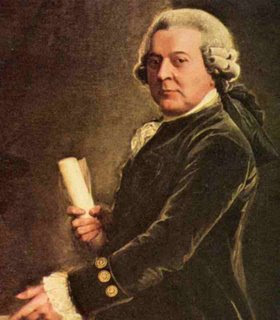
John Adams, the second president of the USA
Revolution, John Locke, and the theory of balanced government
2. Rational Claims for Self-Rule: The Declaration of Independence
3. The Machinery of American Democracy: A rational system of checks and balances
The abortive Articles of Confederation
The U.S. Constitution: A balance no longer between estates, but between types and sources of power
Vertical: Federal, state, county, and municipal
Horizontal: Executive, legislative, and judicial
Bill of Rights: Balance between government and individual;
Freedom “from” and the freedom “to”
4. Classical Foundations of Republican Virtue
“L’enfant’s District of Columbia
Revolutionary heroes as Roman senators
5. Republicanism to Liberalism: Tocqueville in Jacksonian America
Nature and capitalism in the new American West
6. Testing the Limits of Independence: The War for the Union and the Definition of American Democracy.


John Adams, the second president of the USA
ENLIGHTENMENT
Enlightenment can be considered as an outcome of Scientific Revolution.
The idea that human reason can alleviate the social conditions gave way to the obsession of the Enlightenment thinkers on the ideal form of government.
Political despotism and religious dogmatism challenged.
John Locke: Two Treatises on Government, legitimation of the English constitutional monarchy.
Montesquieu, the principle of division of powers: legislative, executive, judicial
Voltaire, "enlightened despotism", society ruled by a king who is attached to the principles of Enlightenment and advised by a group of philosophers.
Rousseau, Social Contract,
Encyclopedia, supervised by Denis Diderot and Jean Le Rond d'Alembert, claimed to encompass information on all branches on knowledge, systematically classified. Knowledge ceased to be acquired through an intermediary such as a priest.
The idea that human reason can alleviate the social conditions gave way to the obsession of the Enlightenment thinkers on the ideal form of government.
Political despotism and religious dogmatism challenged.
John Locke: Two Treatises on Government, legitimation of the English constitutional monarchy.
Montesquieu, the principle of division of powers: legislative, executive, judicial
Voltaire, "enlightened despotism", society ruled by a king who is attached to the principles of Enlightenment and advised by a group of philosophers.
Rousseau, Social Contract,
Encyclopedia, supervised by Denis Diderot and Jean Le Rond d'Alembert, claimed to encompass information on all branches on knowledge, systematically classified. Knowledge ceased to be acquired through an intermediary such as a priest.
SCIENTIFIC REVOLUTION
16th and 17th centuries
1. The term scientific revolution - itself not even used before the 1930s- was coined by historians when the academic world believed and relied on the existence of a coherent and catalysmic event that irrevocably and fundamentally changed what people knew about the natural world. This was seen as the moment at which the world was made modern. Historians called it the most profound achievement of the human mind. As such it outshone everything since the rise of Christianity and that Renaisssance and reformation were nothing compared to it.
2. The idea of revolution first in science and then in political life came after the Enlightenment as the people of the 18th century believed that they were doing something very radical about the ancien regime.
3. Today: a diverse array of cultural practices aimed at understanding, explaining, and controlling the natural environment. The continuity of the medieval past and natural philosophy together with no practice of a universal science method is more and more accepted. So instead we need to look at the aspects of the changes in knowledge about the natural world and changes in means in securing that knowledge.
4. From Copernicus’s new astronomy in the 16th century to Newton in the 17th century. The stages of this are:
mechanization of nature, using mechanical metaphors to explain nature
separating experiencing nature from viewing what nature is really like: depersonalization of knowledge about nature
formulating rules of method to take out human emotion – objevtivity
assuming that this reformed knowledge of nature is benign, powerful and disinterested so that it can be used in social and political life as well.
PRACTITIONERS
Copernicus: Heliocentric Theory (sun-centered astronomy)
Tycho Brahe and his sister Sophia: mid-16th to 17th century, movement of planets around the sun
Johannes Kepler, 1571-1630, Planetary motion and optics
Galileo Galilei 1564-1642, telescope
Descartes, 1596-1650, ‘I think therefore I am’
Isaac Newton, 1642-1727, gravity
1. The term scientific revolution - itself not even used before the 1930s- was coined by historians when the academic world believed and relied on the existence of a coherent and catalysmic event that irrevocably and fundamentally changed what people knew about the natural world. This was seen as the moment at which the world was made modern. Historians called it the most profound achievement of the human mind. As such it outshone everything since the rise of Christianity and that Renaisssance and reformation were nothing compared to it.
2. The idea of revolution first in science and then in political life came after the Enlightenment as the people of the 18th century believed that they were doing something very radical about the ancien regime.
3. Today: a diverse array of cultural practices aimed at understanding, explaining, and controlling the natural environment. The continuity of the medieval past and natural philosophy together with no practice of a universal science method is more and more accepted. So instead we need to look at the aspects of the changes in knowledge about the natural world and changes in means in securing that knowledge.
4. From Copernicus’s new astronomy in the 16th century to Newton in the 17th century. The stages of this are:
mechanization of nature, using mechanical metaphors to explain nature
separating experiencing nature from viewing what nature is really like: depersonalization of knowledge about nature
formulating rules of method to take out human emotion – objevtivity
assuming that this reformed knowledge of nature is benign, powerful and disinterested so that it can be used in social and political life as well.
PRACTITIONERS
Copernicus: Heliocentric Theory (sun-centered astronomy)
Tycho Brahe and his sister Sophia: mid-16th to 17th century, movement of planets around the sun
Johannes Kepler, 1571-1630, Planetary motion and optics
Galileo Galilei 1564-1642, telescope
Descartes, 1596-1650, ‘I think therefore I am’
Isaac Newton, 1642-1727, gravity
Monday, April 5, 2010
Absolutism and beyond: France and English Revolution
The struggle of the European kings to centralize their political control.
Remnants of feudal political system, nobility enjoying a semi-autonomous status, therefore resisting any attempts toward centralization.
The age of Louis XIV (r. 1643-1715)
First cooperation then manipulation and control of the aristocracy.
Sale of offices, creation of a new type of aristocracy totally faithful to Louis.
The old aristocracy kept under surveillence by Louis in Versailles.
Representation of the king as a semi-divine ruler through paintings that depicted him as Apollo or a Roman emperor.
L'Etat, c'est moi (I am the state).
The English kings failed in their struggle toward absolutism.
Stuarts were staunchly resisted by the Parliament, which finally managed to establish constitutional monarchy.
Glorious Revolution 1688.

Louis as a child

Louis and his family


Louis mocked by a comic strip

Versailles
Remnants of feudal political system, nobility enjoying a semi-autonomous status, therefore resisting any attempts toward centralization.
The age of Louis XIV (r. 1643-1715)
First cooperation then manipulation and control of the aristocracy.
Sale of offices, creation of a new type of aristocracy totally faithful to Louis.
The old aristocracy kept under surveillence by Louis in Versailles.
Representation of the king as a semi-divine ruler through paintings that depicted him as Apollo or a Roman emperor.
L'Etat, c'est moi (I am the state).
The English kings failed in their struggle toward absolutism.
Stuarts were staunchly resisted by the Parliament, which finally managed to establish constitutional monarchy.
Glorious Revolution 1688.

Louis as a child

Louis and his family


Louis mocked by a comic strip

Versailles
Wednesday, March 24, 2010
The Ming Bureaucratic Empire in China


The Hongwu Emperor (1368-1398)

The Forbidden City in was built in the 15th century and it continued to be the imperial headquarters until the fall of the Qing Dynasty in 1911.

The Imperial State Examination Rooms

As the candidates are waiting for the results of civil service examination

Temple of Heaven: Built during the same period as the Forbidden City, 15th century. It was the temple for the Emperors' prayers to Heaven.
Subscribe to:
Posts (Atom)